The Role of Community in Healing
By Everlum
|
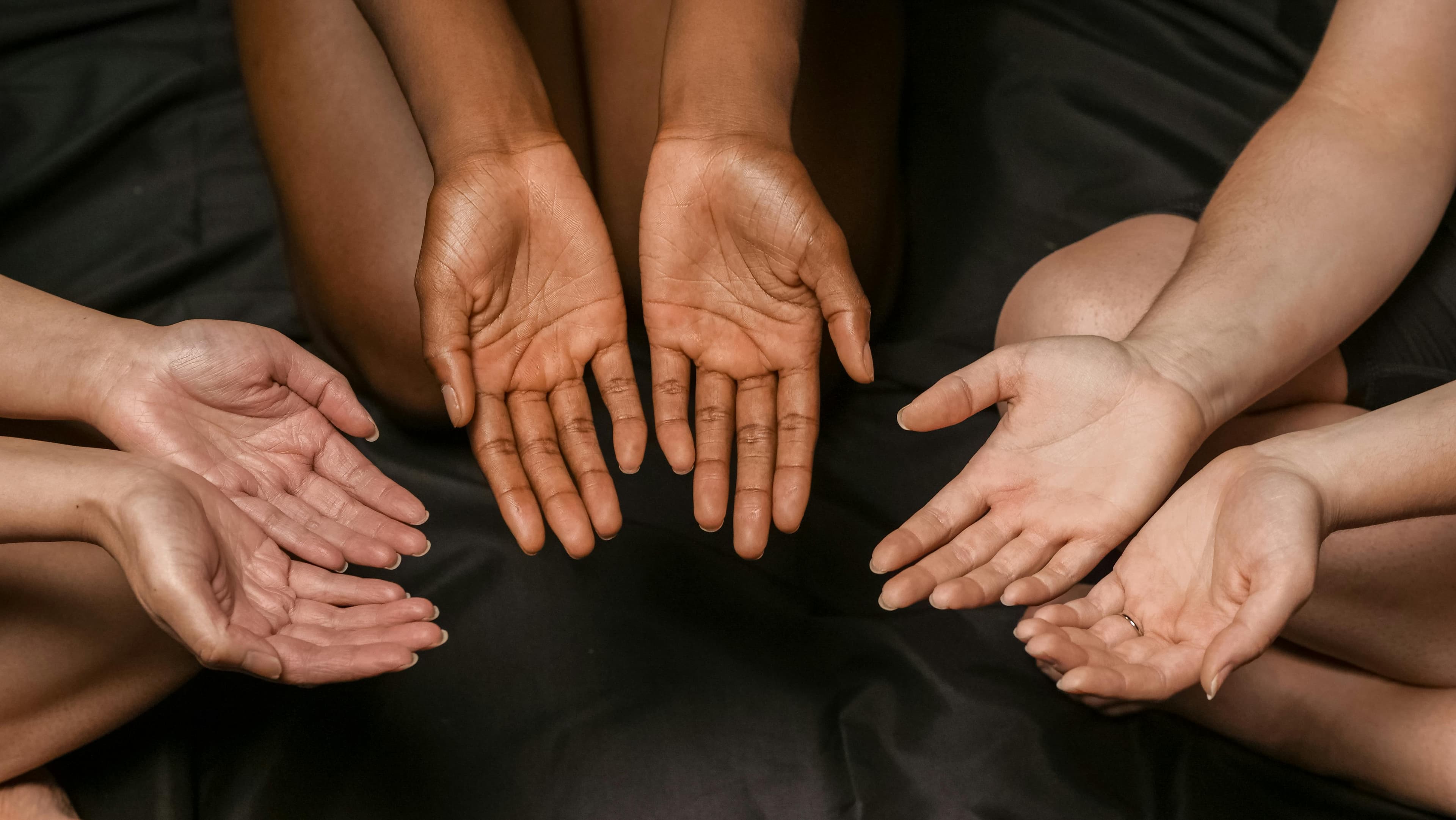
Grief can feel like a heavy burden when carried alone. The silence of loss often makes us believe that no one else can understand the depth of our pain. Yet healing rarely happens in isolation. Community, whether large or small, offers strength, companionship, and understanding that can ease the weight of sorrow.
When we gather with others, grief becomes shared. A conversation with a friend, a family gathering, or a support group meeting can remind us that we are not alone. Listening to someone else’s story can validate our own, and sharing our memories can bring comfort to others. This exchange of experiences creates connection, turning grief into something communal rather than solitary.
Community also provides resilience. When we see others navigating loss, we are reminded that healing is possible. Their strength becomes encouragement, and their presence becomes a source of hope. Even small acts of kindness within a community, such as a meal delivered or a message sent, can make grief feel less overwhelming.
Support groups and memorial gatherings are powerful examples of community in action. They create spaces where grief can be spoken openly, without judgment. In these spaces, tears are accepted, stories are welcomed, and silence is respected. This openness allows healing to unfold naturally, supported by the collective presence of others.
Community does not always mean large groups. Sometimes it is found in a circle of close friends or a single companion who listens without interruption. What matters is the sense of connection, the reminder that grief is not carried alone.
The role of community in healing is to provide companionship, strength, and hope. It is to remind us that grief is universal, and that love connects us across loss. By leaning on community, we discover that even in the darkest times, we are surrounded by light.
community
stories
healing